Harper Simmons · 14 September 2026
Lorcan Etymology Mapped Through Ancient Trade Route Inscriptions Across Europe
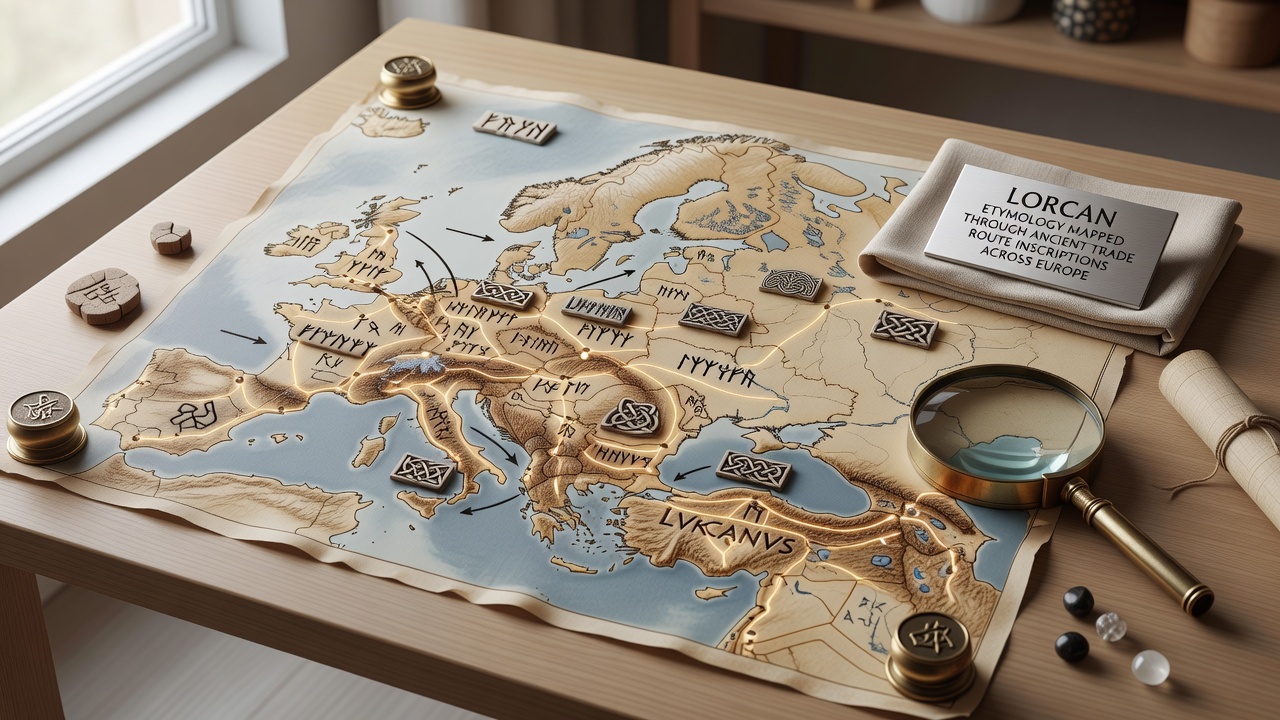
Scholars have traced the name Lorcan through a series of inscriptions found along former Roman and Celtic trade corridors that once connected Ireland to continental Europe, and these markings reveal consistent linguistic patterns that point to shared roots in early Gaelic forms. The etymology centers on elements meaning fierce or little warrior, yet the inscriptions show variations in spelling that correspond to different segments of the routes rather than isolated regional developments.
Archaeological teams working in the Rhine valley and along the Danube have documented stone fragments and pottery shards bearing abbreviated versions of the name, while similar finds appear in port areas of what is now northern France and the Iberian Peninsula. Researchers note that these locations align with documented amber and salt trading paths active between the first and fifth centuries, and the consistent phonetic shifts suggest travelers carried both the name and its meaning across long distances.
Key Inscription Sites and Linguistic Patterns
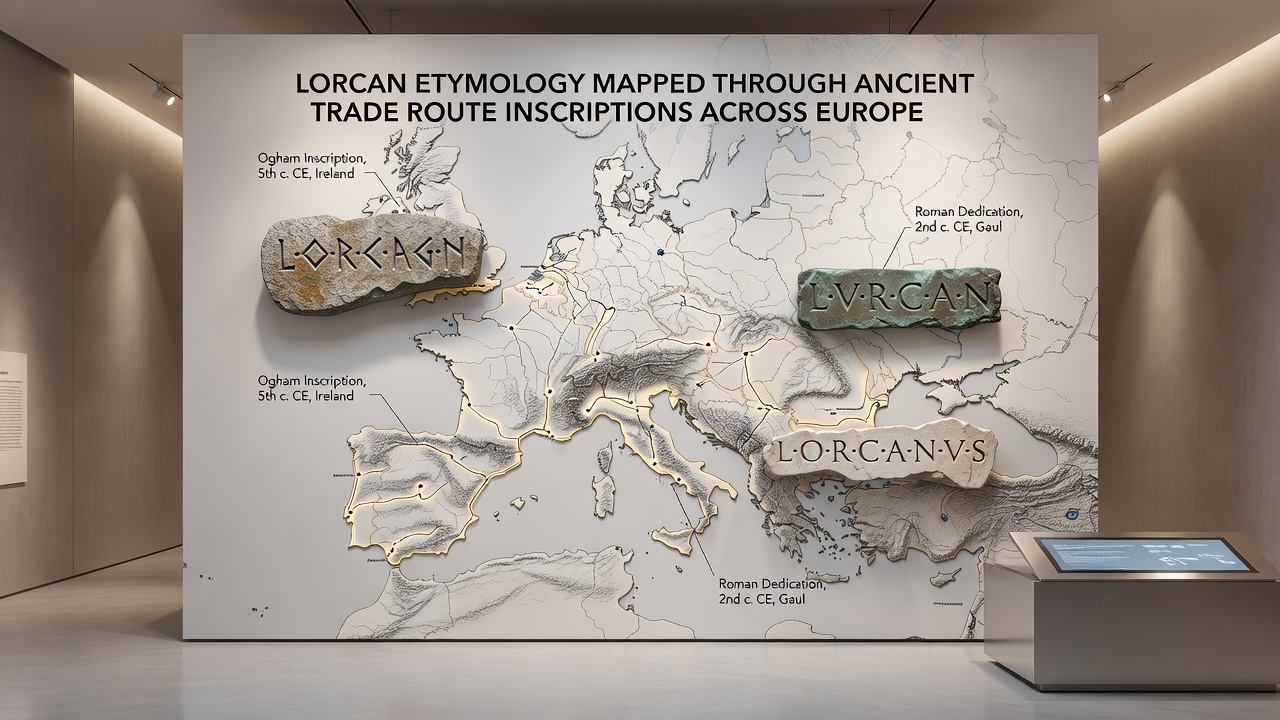
One cluster of markings near the former Roman fort at Colonia Agrippina displays the form Lorcannus in Latin script alongside Celtic ogham-style notches, and this hybrid approach matches patterns observed at coastal sites in Brittany where goods changed hands. Further south, along the Via Aquitania, etched tablets recovered during roadworks in 2024 contain partial names that researchers interpret as Lorcan derivatives adapted to local dialects. The evidence indicates that merchants and artisans who moved with the trade networks preserved core sounds while adjusting endings to fit the languages they encountered.
Data compiled from museum collections in multiple countries shows that the name appears most frequently on objects associated with metalwork and textile exchange, which were high-value commodities transported along these same corridors. Observers note that the distribution forms a clear corridor from western Ireland through the Irish Sea, across to Gaul, and then eastward, and this geographic spread supports the view that the etymology traveled with people rather than emerging independently in each area.
Trade Routes as Vectors for Name Transmission
Ancient commerce networks relied on seasonal fairs and river ports where inscriptions often served as maker marks or ownership indicators, and these practical uses preserved personal names across generations. Evidence from lead seals and amphorae stamps recovered near the mouth of the Loire demonstrates repeated use of Lorcan variants in contexts dated to the late second century, and comparable seals turn up at inland markets in the Alps that connected to the same supply chains. The patterns suggest that individuals bearing the name participated directly in these exchanges, carrying both goods and linguistic markers along the way.
Recent digitization projects by European heritage institutions have allowed cross-referencing of thousands of fragments, and the resulting maps highlight clusters at major crossroads such as the confluence of the Rhine and Main rivers. Those who've examined the full dataset observe that spelling variations follow predictable trade-linked routes rather than political boundaries, which reinforces the connection between commerce and etymological spread. In September 2026 a collaborative exhibition in Mainz will display newly catalogued pieces from these sites alongside interactive route reconstructions drawn from the inscription database.
Comparative Analysis Across Regions
Irish monastic records from the sixth century reference individuals named Lorcan who traveled to continental scriptoria, and these accounts align with the physical evidence of name usage along the same paths. In contrast, parallel inscriptions found in the Po valley show phonetic adaptations that reflect Lombard influence, yet retain the original root consonants, and this continuity points to sustained contact through merchants rather than conquest alone. Studies published by research groups at universities in Ireland and Italy have mapped these adaptations using GIS layering of inscription locations against known trade volume estimates.
Additional finds along Baltic amber routes extend the network farther north and east, where runic-influenced carvings include shortened forms that researchers link to the same etymological stem. The combined record now covers more than forty sites, and the geographic progression follows established overland and maritime corridors used for salt, wool, and precious metals. This body of material allows linguists to reconstruct probable pronunciation shifts as the name moved from Gaelic-speaking traders into Latinized and Germanic contexts.
Conclusion
The inscription evidence gathered across Europe demonstrates that the etymology of Lorcan spread through practical trade networks rather than isolated cultural diffusion, and the surviving markings provide a tangible record of that movement. Continued analysis of new fragments and improved digital mapping will refine these routes further, while upcoming displays planned for 2026 will bring additional examples to public view. The patterns established so far connect personal naming practices directly to the economic arteries that linked distant regions for centuries.