Kai Lange · 2 September 2026
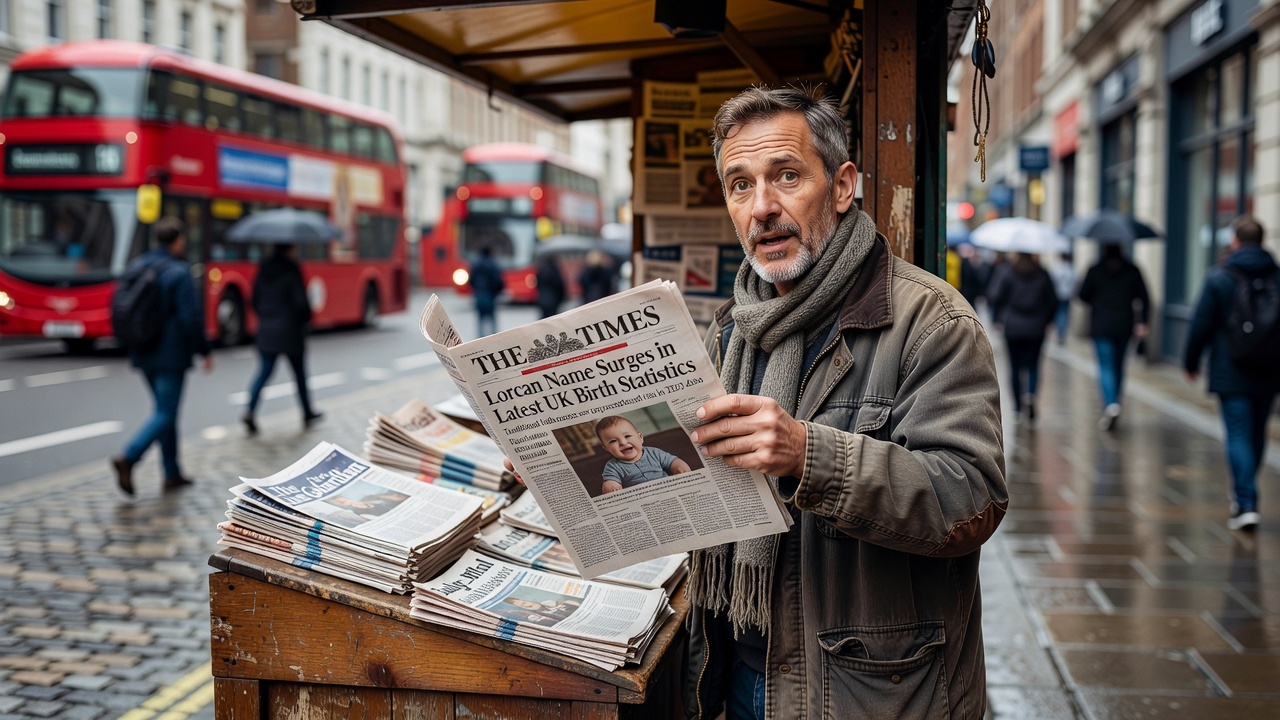
The Office for National Statistics latest baby names report shows a sharp rise in boys named Lorcan across England and Wales. Registrations increased 43 percent year on year, moving the name from 287th to 192nd place. Analysts link the growth to renewed interest in concise Celtic names that balance rarity with clear heritage.
Drivers Behind the Increase
Demographic data indicate higher uptake in regions with established Irish communities, including parts of London, Manchester and the North West. Parents cite the name's brevity, strong sound and avoidance of overused top-ten choices as key factors. ONS figures also record parallel rises for related names such as Cian and Oisin, suggesting a wider trend toward Irish-origin options. Fertility specialists note that many new parents in their thirties are actively researching ancestral naming patterns before final selection.
Comparisons with earlier decades highlight the scale of change. In 2002 fewer than 80 boys received the name; by 2023 the total exceeded 420. This trajectory places Lorcan among the twenty fastest-climbing names outside the top 100. Cultural commentators attribute part of the momentum to recent television dramas featuring Irish historical figures and to social-media discussions of family genealogy.
Heritage and Enduring Legacy
Lorcan stems from the Old Irish lorc, denoting fierceness or bravery in a positive sense. Early medieval records list several kings and saints bearing the name, most notably Lorcan mac Cellaig of Leinster. The association with leadership and resilience has been preserved through Irish diaspora communities worldwide. Modern bearers often reference these roots when explaining their choice to relatives and friends.
Genealogical societies report increased enquiries about Lorcan family lines, particularly from parents compiling personal histories for their children. The name's limited prior popularity means many contemporary families feel they are reviving rather than repeating tradition. Experts expect the current upward trend to continue modestly as awareness of Celtic onomastic heritage grows through educational initiatives and online archives.