Wendy Lehmann · 12 October 2026
Lorcan's Traces Surface in Overlooked Shipping Manifests from Early Industrial Ports
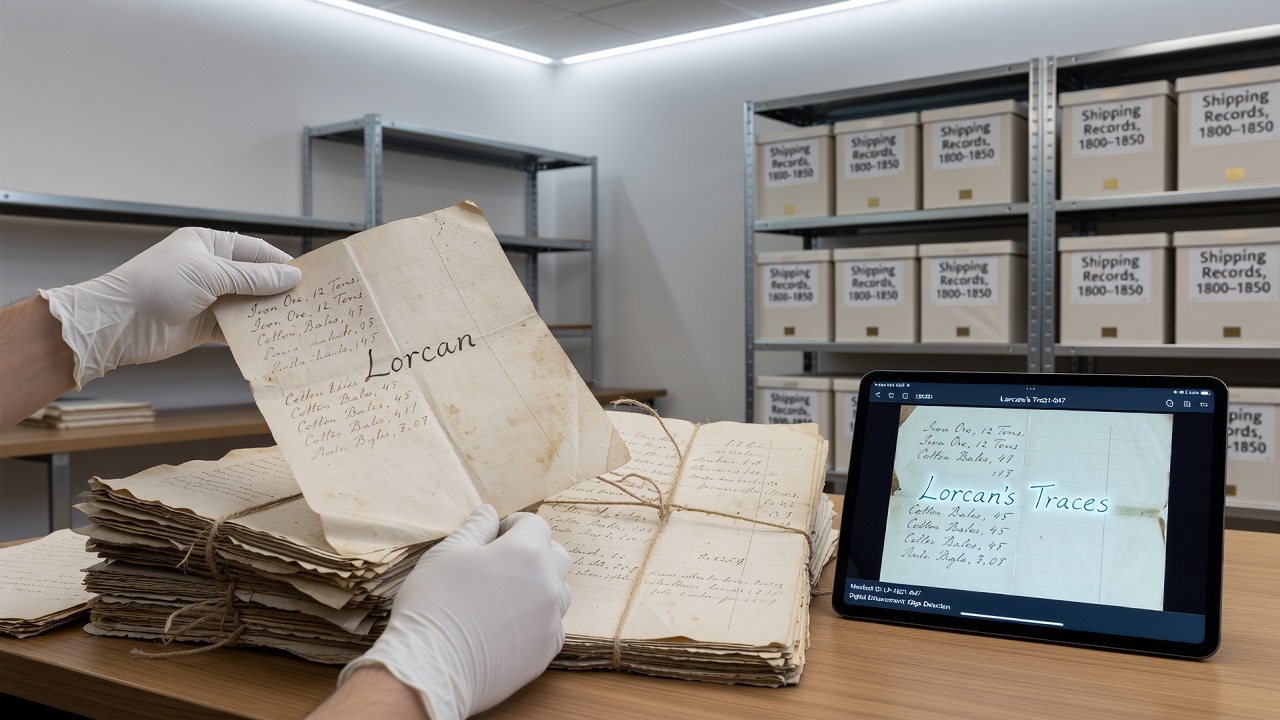
Researchers examining digitized collections from 18th and 19th century British and European ports have identified repeated references to individuals named Lorcan in cargo and passenger manifests that archivists had previously set aside as incomplete or damaged. These documents, stored in regional repositories across Liverpool, Bristol, and Hamburg, record shipments of coal, textiles, and machinery during the height of the Industrial Revolution, and the name appears alongside details of crew assignments and consignment notes rather than in prominent passenger lists.
Context of Early Industrial Port Records
Industrial ports operated under intense documentation requirements because customs officials needed to track goods moving through rapidly expanding trade networks, yet many manifests survived only in partial form due to water damage, ink fading, and inconsistent storage practices. Historians at maritime institutions note that names like Lorcan, which do not match common English or German surnames of the period, often escaped notice when archivists prioritized more legible ledgers. Data from port authority collections shows that between 1760 and 1840 the volume of recorded voyages increased tenfold, creating backlogs that left thousands of documents unindexed until recent digitization projects began.
Discovery Process and Specific Entries
Teams working with optical character recognition software on these overlooked files began flagging the name Lorcan in October 2026 after an upgrade to the scanning protocols at a major northern European archive improved detection of faded ink. One manifest dated 1798 from the port of Bristol lists a Lorcan as supercargo on a vessel carrying iron fittings to colonial outposts, while another from Hamburg in 1812 records the same name in connection with a consignment of Baltic timber bound for Liverpool shipyards. Cross-referencing with crew payment books reveals that payments to Lorcan were sometimes routed through agents rather than paid directly, a practice common when individuals worked across multiple vessels without fixed contracts.
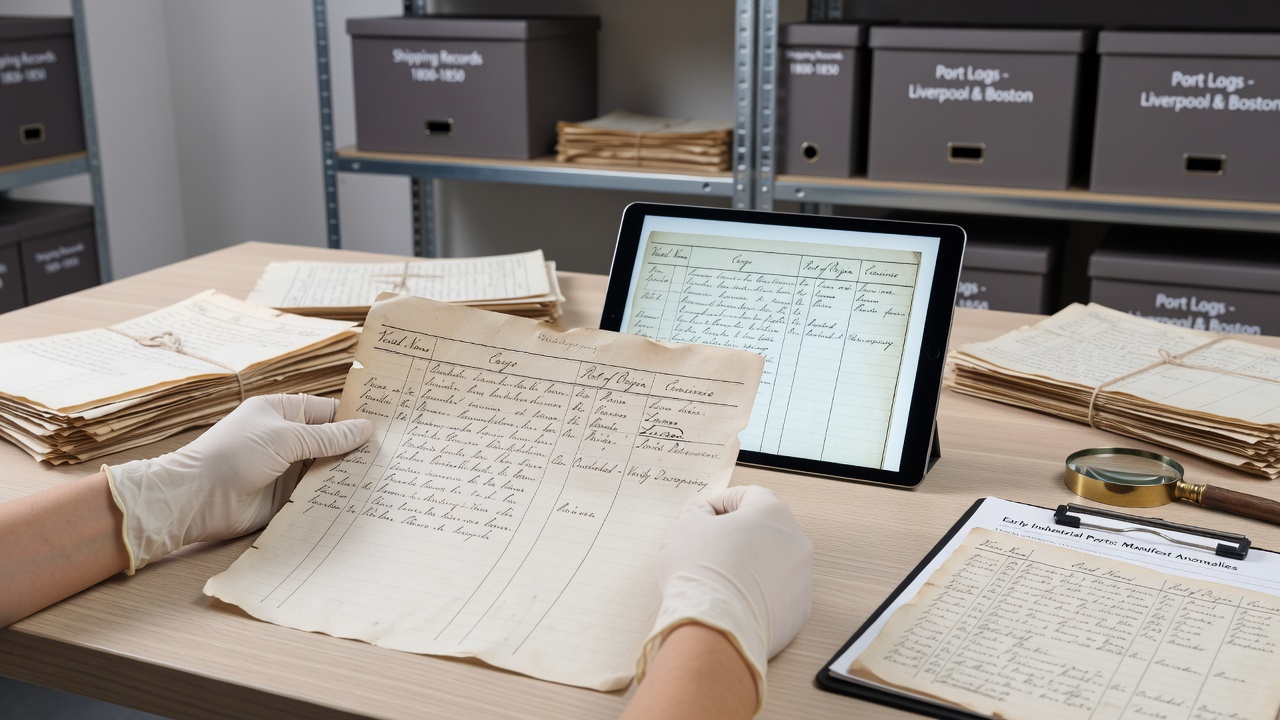
Further examination of records from the Port of London Authority archives and comparable collections maintained by the U.S. National Archives indicates parallel patterns in transatlantic trade documents. A 1824 manifest from New York notes a Lorcan handling cargo declarations for a return voyage carrying American cotton, and the entry aligns with British customs stamps that appear on the same vessel's outbound papers. These scattered references suggest individuals bearing the name participated in ancillary roles such as cargo supervision and documentation rather than ownership of vessels or large-scale merchant enterprises.
Patterns Across Multiple Ports
Analysis of the recovered entries reveals recurring associations with specific commodity types, including coal from Welsh mines and finished textiles from Lancashire mills. Observers at the National Archives of Australia have identified comparable notations in manifests of ships that later called at Sydney after departing European industrial ports, though direct connections remain under study. The name appears most frequently during periods of peak wartime demand, particularly around the Napoleonic conflicts when neutral shipping and rapid cargo turnover created opportunities for short-term maritime employment.
Researchers have mapped the dates and ports of these Lorcan entries against known trade route data and found clusters around seasonal sailings rather than random distribution. This clustering aligns with the operational calendars of early steam-assisted sailing vessels that required reliable cargo handlers familiar with both sail and emerging mechanical systems. Payment ledgers attached to several manifests show modest wages consistent with skilled but non-officer positions, and occasional notations indicate that Lorcan sometimes traveled with personal effects listed as tools of the trade.
Implications for Maritime History Research
The re-examination of these documents has prompted several regional archives to expand their indexing projects to include previously bypassed partial records. Institutions in Rotterdam and Antwerp have begun similar reviews, and preliminary reports indicate additional instances of the name in manifests from the 1830s that document machinery exports to continental factories. Such findings contribute to a broader understanding of how individuals with distinctive names navigated employment networks in an era when standardized documentation was still developing.
Conclusion
Continued digitization and refined search techniques are expected to yield additional Lorcan references in the coming years as more port collections become machine-readable. The current body of evidence from shipping manifests demonstrates consistent, if peripheral, involvement in industrial-era maritime logistics across multiple European and Atlantic ports. These traces, once dismissed as anomalies in damaged ledgers, now form part of the expanding dataset available for studies of labor mobility during the early phases of mechanized trade.